Visual Communication
This section highlights my ability to use visual storytelling and design principles to communicate ideas across conceptual, analytical, and promotional contexts. It demonstrates my experience working with composition, hierarchy, and multimodal design to enhance meaning and engagement.
visual communication graphic series
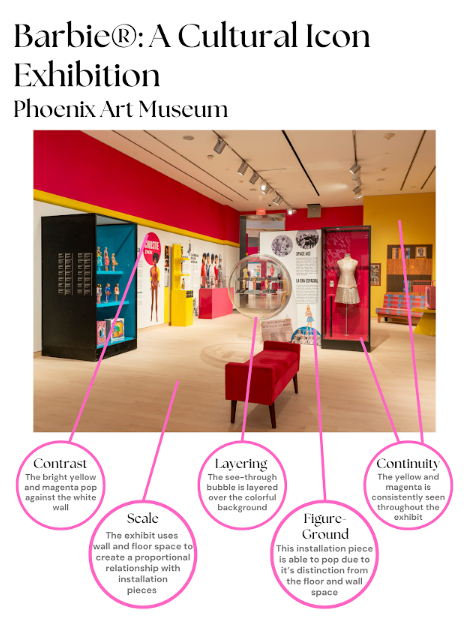
This series of graphics demonstrates my ability to apply foundational principles of design across a range of creative, conceptual, and analytical projects. The collection includes a personal identity collage, a redesigned haunted house flyer created in Canva, a narrative-based visual reimagining of a friend’s wedding transformed into a fictional nuclear attack event, a visual principles packet analyzing contrast, scale, proportion, figure-ground, symmetry, and asymmetry, a design element observational analysis of the Phoenix Art Museum’s Barbie exhibit, an experimental typographic image of a witch created using keyboard characters, and a logo creation and redesign for a cat rescue. Together, these artifacts reflect my ability to move fluidly between personal expression, applied design work, and formal visual analysis while using a variety of media and tools to communicate meaning.
Across these projects, I strengthened my ability to apply rhetorical knowledge by understanding how visual genres shape interpretation and how design choices influence audience perception. I developed user-centered design skills by intentionally shaping visuals for clarity, emotional impact, and narrative coherence across different contexts, from promotional materials to conceptual storytelling. My critical thinking and analytical skills were reinforced through the identification and interpretation of design principles in both constructed and real-world environments, as well as through translating abstract concepts like figure-ground and asymmetry into applied examples. In terms of practices and processes, I developed iterative design strategies through drafting, revising, and experimenting with visual composition across multiple formats, while also engaging in multimodal communication that combined image, text, and storytelling. Finally, I strengthened my technological fluency by using tools such as Canva for design manipulation and image editing. Overall, this body of work reflects my growth in visual storytelling, design literacy, and the ability to apply theoretical design principles to both conceptual and real-world communication contexts.
Strengths Acquired:
Rhetorical Knowledge: Applied visual genre conventions to shape audience interpretation and meaning across diverse creative and analytical design contexts
Critical Thinking, Analysis, and Research: Interpreted and applied foundational design principles (e.g., contrast, scale, figure-ground) across both constructed and real-world visual environments
Practices and Processes: Developed iterative design workflows through drafting, revising, and experimenting with multimodal visual compositions
Technology: Used Canva and other digital tools to create, edit, and manipulate visual content across a range of design projects
Image in photo provided by Phoenix Art Museum
Vision Board Guide
This user guide demonstrates my ability to translate abstract, goal-oriented concepts into a clear, structured, and accessible instructional document for a non-expert audience. Designed in Canva, the guide walks users step-by-step through the process of creating a vision board, from setting intentions and identifying thematic goals to selecting imagery, organizing visual layouts, and maintaining engagement over time. In addition to written instructions, I incorporated visual hierarchy, spacing, and design principles to ensure the document is easy to navigate and visually engaging, reinforcing the instructional purpose of the genre.
This project strengthened my skills in user-centered communication and instructional design, particularly in anticipating the needs of beginners who may be unfamiliar with reflective or visual planning practices needed to create a vision board. It required critical thinking and research to structure information in a logical, sequential progression. Through this work, I developed stronger proficiency in applying genre conventions for how-to documents, using technology (Canva), and balancing clarity with aesthetic design. Overall, it reflects growth in rhetorical knowledge, practices and processes, critical analysis of audience needs, and the strategic use of technology to communicate information effectively.
Strengths Acquired:
Rhetorical Knowledge: Applied genre conventions of instructional/how-to documents to translate abstract concepts into clear, accessible, step-by-step communication
Critical Thinking, Analysis, and Research: Structured and sequenced information based on user needs to support beginner understanding and goal-oriented task completion
Practices and Processes: Designed and organized instructional content using visual hierarchy, clarity, and progressive instruction to enhance usability
Technology: Used Canva to create a visually engaging instructional guide that integrates text, layout, and design principles for effective communication
Imagery in photo provided by Canva